
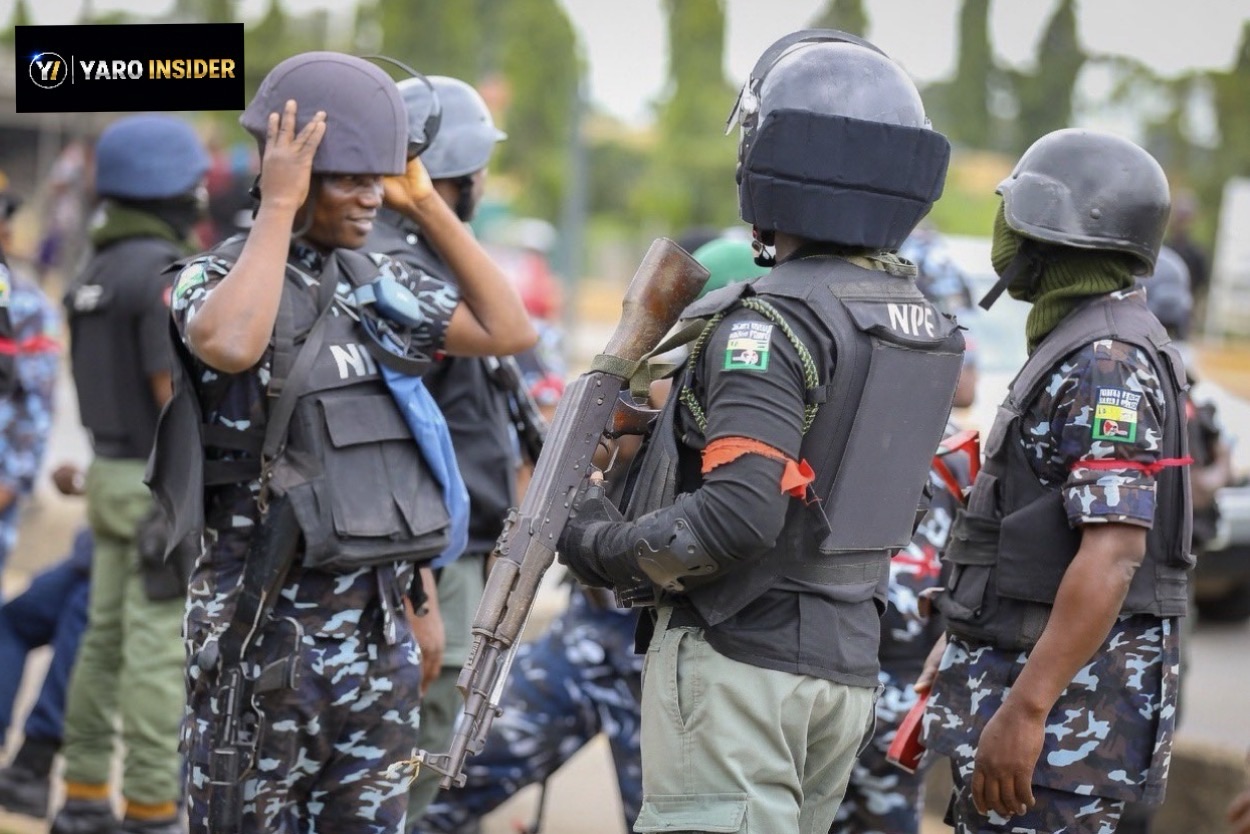
A viral online discussion has reignited debate about the powers of the Nigerian Police Force and the rights available to citizens during encounters with law enforcement officers. The conversation highlighted widespread concerns about unlawful arrests, extortion, illegal detention and other forms of abuse allegedly experienced by some Nigerians.
While police officers have legal authority to enforce the law, that authority is limited by the Constitution, the Police Act 2020 and other relevant laws. Knowing those limits can help citizens better understand their rights and responsibilities.
Bail is free
One of the most important rights Nigerians should know is that bail is free.
Any officer demanding payment before granting bail for a bailable offence is acting contrary to established police procedures and the law.
You have a right to legal representation
Anyone arrested by the police has the right to consult and be represented by a lawyer.
Access to legal counsel is a constitutional protection and should not be denied without lawful justification.
You should not be detained indefinitely
The law places limits on how long a suspect can be detained without being charged to court.
Citizens who are held beyond the legally permitted period may have grounds to challenge their detention.
Police cannot act as debt collectors
Civil disputes involving debts, rent disagreements and contract issues are generally not criminal matters.
Legal experts have repeatedly warned against using police stations to settle purely civil disputes.
Torture and forced confessions are unlawful
Confessions obtained through torture, threats or physical abuse violate fundamental rights protections.
Human rights groups have long campaigned against such practices in Nigeria.
Citizens should know their rights
The broader lesson from the debate is that many Nigerians remain unfamiliar with basic legal protections available to them.
Legal awareness does not mean confrontation with law enforcement. Rather, it helps citizens understand what officers can and cannot legally do during arrests, investigations and routine interactions.
Why it matters
Relations between citizens and law enforcement remain an important public issue in Nigeria. Discussions around police accountability gained renewed attention following the EndSARS movement and continuing calls for reform.
Experts say greater public awareness of constitutional rights, alongside stronger accountability mechanisms, could help reduce abuses and improve trust between citizens and security agencies.